Supporting vulnerable children is not the responsibility of one organisation alone. Sustainable child welfare requires families, communities, schools, organisations, volunteers, churches and development partners to work together.
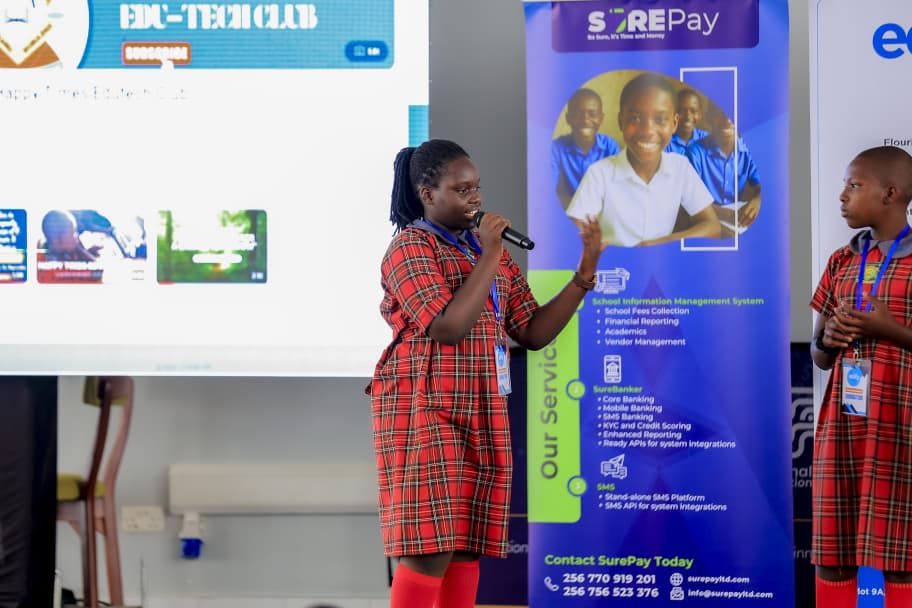
At Happy Times Child Care Initiatives (HTCCI), community partnership is one of the organisation’s core values. HTCCI works with churches, volunteers, NGOs, community organisations and development partners to strengthen child welfare and support sustainable service delivery.
Why Community Partnerships Matter
Children are part of families and communities. Their wellbeing is therefore connected to the wider environment in which they live.
Community partnerships can help organisations identify needs, mobilise resources, share knowledge and develop solutions that respond to local circumstances.
Working together also creates opportunities for organisations to combine their strengths and reach more people.
Supporting Children Beyond Residential Care
While HTCCI operates residential child care services, its work also extends to education and community engagement.
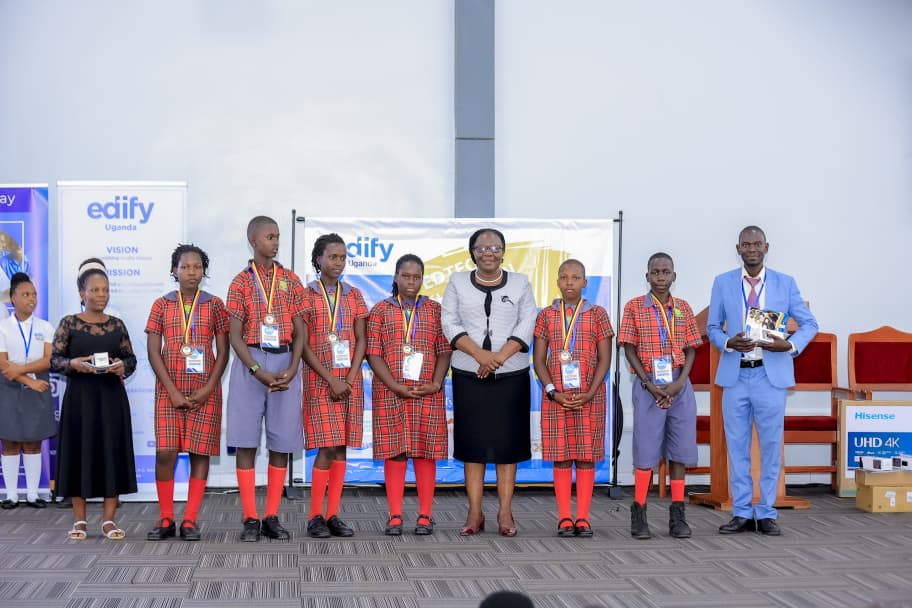
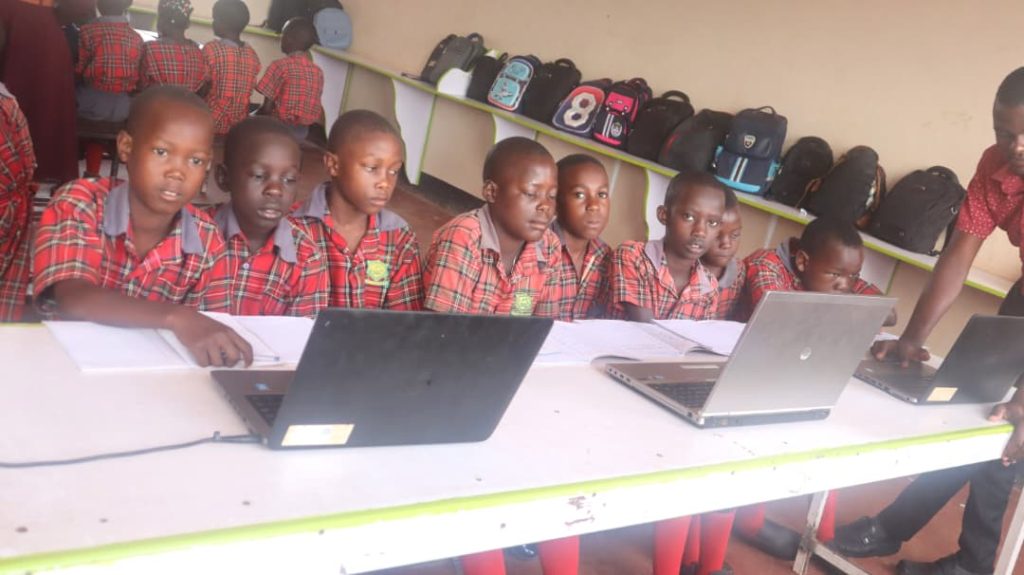
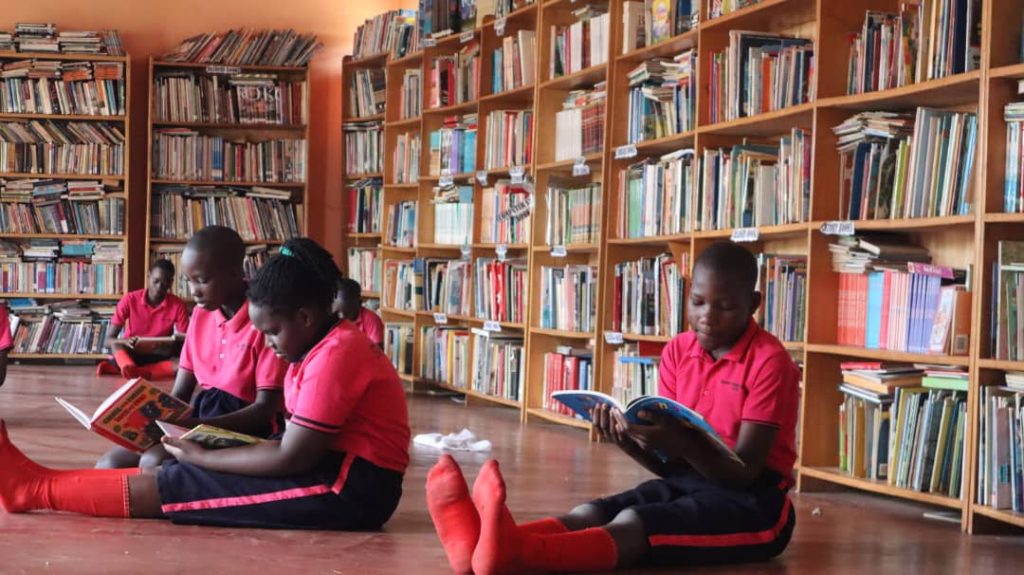
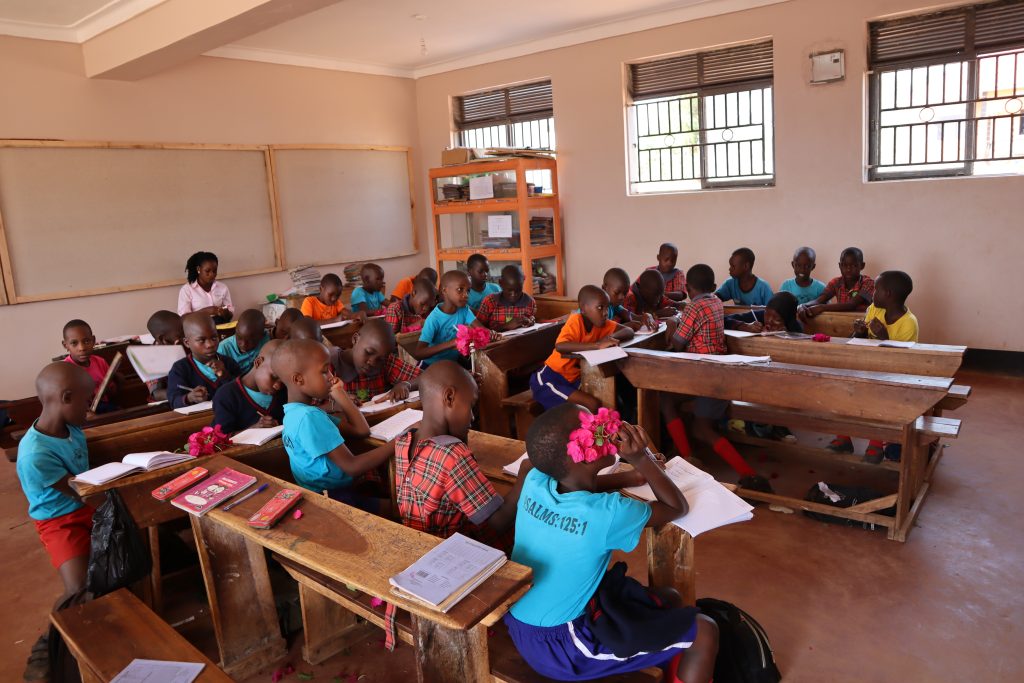
The organisation provides structured primary education through Happy Times Junior School, serving both residential and community children.
Its areas of specialism also include social welfare and psychosocial support, community development and outreach, and institutional systems strengthening.
This broader approach recognises that sustainable child welfare requires more than responding to immediate needs.
Building Sustainable Systems
Strong organisations need effective systems to continue serving communities responsibly.
HTCCI has established governance and accountability structures, including Board oversight, defined reporting structures, financial controls, procurement procedures and annual financial reporting.
The organisation has also adopted policies covering areas such as anti-bribery and anti-corruption, anti-terrorism and counter-financing of terrorism, and third-party due diligence.
These systems are intended to strengthen transparency, accountability and responsible management of resources.
Looking Beyond Today
Sustainability requires planning for the future. HTCCI’s 2026–2028 priorities include strengthening financial sustainability, diversifying funding sources, improving income-generating strategies and strengthening partnerships with donors and other stakeholders.
The organisation is also planning infrastructure development, including additional children’s homes, staff housing, classroom blocks and expansion of its health services.
These priorities demonstrate the importance of long-term planning in building organisational capacity and improving service delivery.
How Communities Can Participate
There are many ways individuals and organisations can contribute to child-focused initiatives.
Potential areas of partnership include:
- Supporting children’s education
- Volunteering skills and time
- Supporting health and nutrition initiatives
- Contributing to infrastructure development
- Supporting community outreach
- Building institutional and technical capacity
- Developing sustainable partnerships
- Supporting programmes that strengthen vulnerable families and children
Every contribution can form part of a wider effort when people and organisations work together towards a shared purpose.
Together for Children
A stronger future for children depends on collective action. When communities, organisations and partners work together, they can create systems that provide children with protection, education, care and opportunities.
Happy Times Child Care Initiatives is committed to strengthening these partnerships and working towards a society where every child can grow in a safe and nurturing environment with access to education, healthcare and opportunities for a dignified future.