


Community Empowerment & Development
Empowering Families.
Strengthening Communities.
Creating Sustainable Opportunities.
Lasting change for children requires strong families and resilient communities. We combine practical skills, agriculture, livelihoods, partnerships and outreach to build sustainable opportunities.
Our development model
From support to opportunity.
1. Identify needs
2. Engage communities
3. Equip people with skills
4. Create opportunities
5. Build sustainable systems
What we focus on
Practical pathways to stronger communities
01
Skills Development
Tailoring, hairdressing, welding, bricklaying, baking and cookery, weaving and other practical enterprise skills
02
Agriculture & Food Security
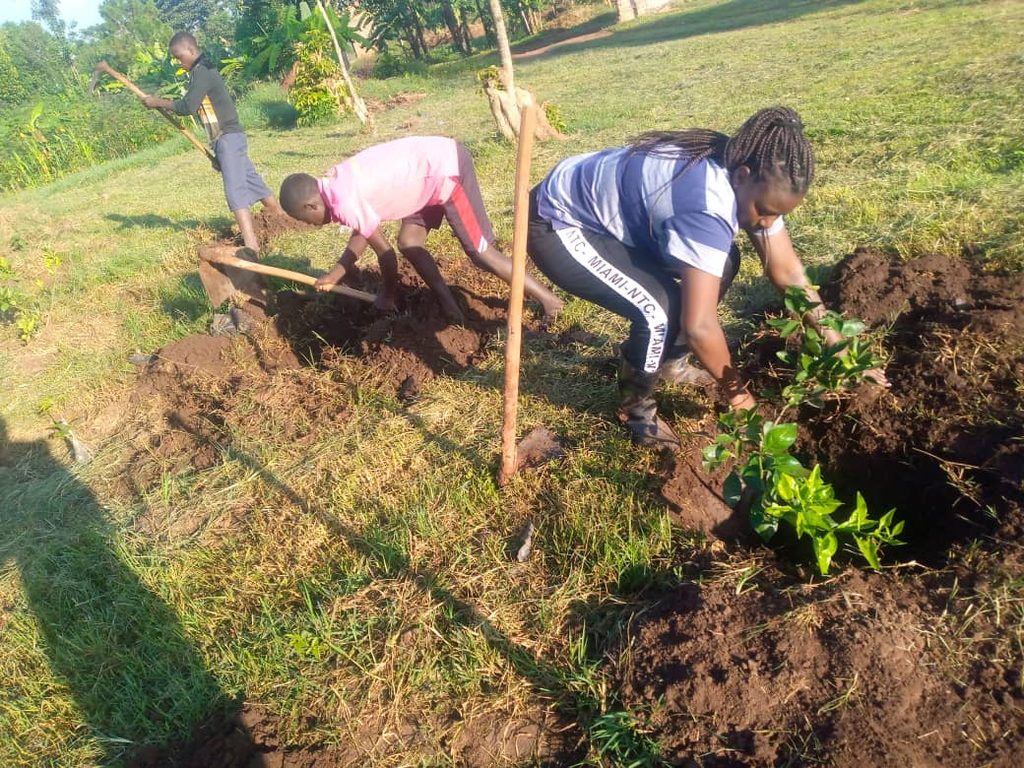
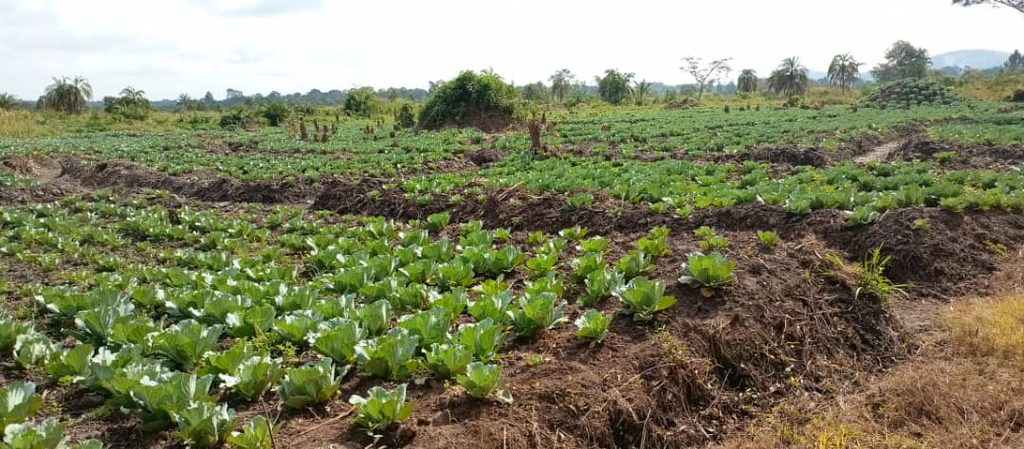
Farming land, irrigation, dairy, piggery, poultry and coffee initiatives can strengthen food security and sustainable income.
03
Income Generation
Income-generating initiatives can contribute to institutional sustainability while creating practical learning opportunities.
Skills for independence
Equipping people with practical skills
We seek to equip children, young people and community members with practical skills that can be translated into livelihoods, entrepreneurship and greater self-reliance.
Planned areas include tailoring, hairdressing, welding, bricklaying, baking, cookery, weaving, knitting and small-scale production of household products.
Skills pathway
Learn
Practical training
Practice
Hands-on experience
Create
Products & services
Earn
Livelihood opportunities
Agriculture & food security
Growing food. Creating livelihoods.
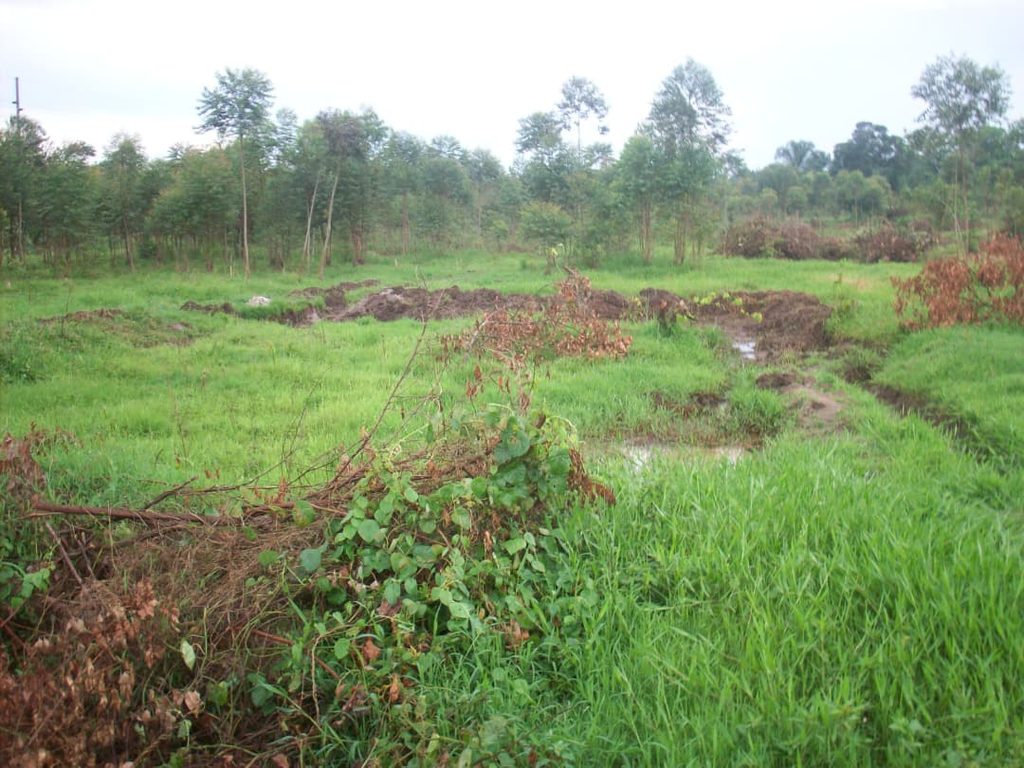
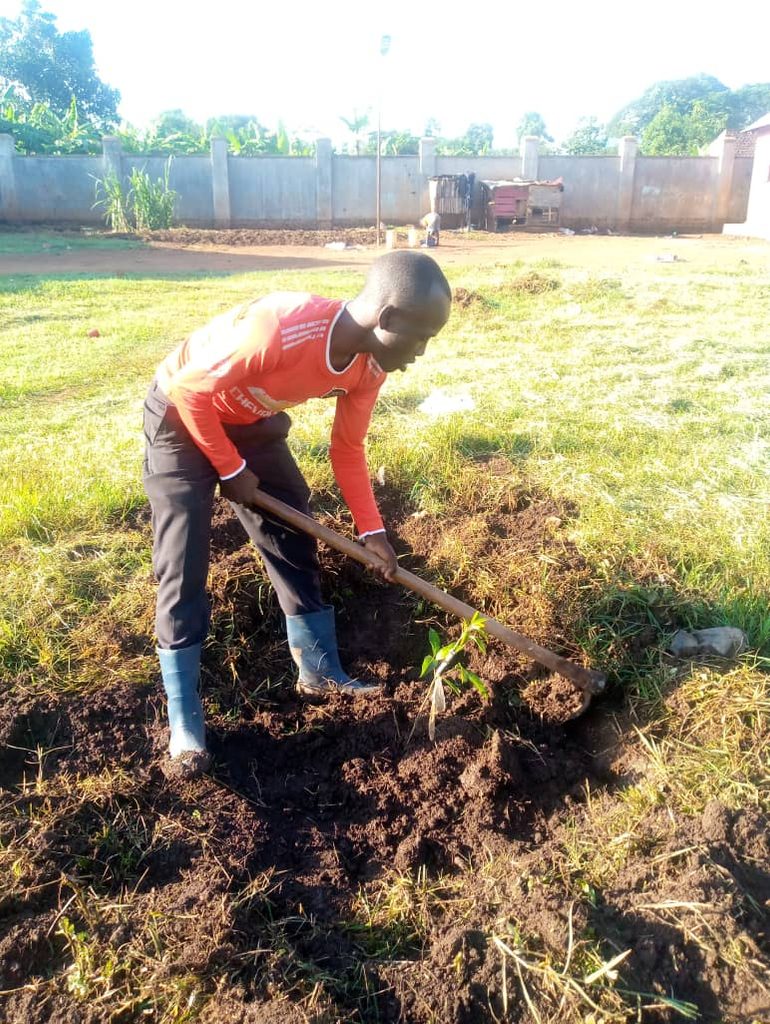
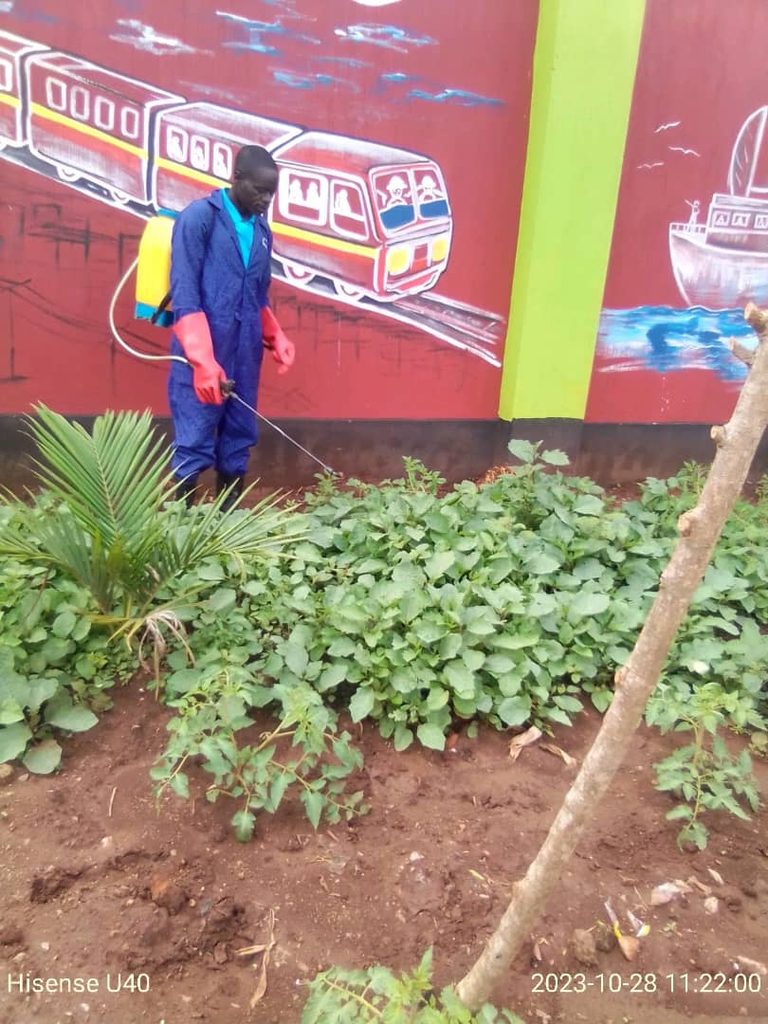
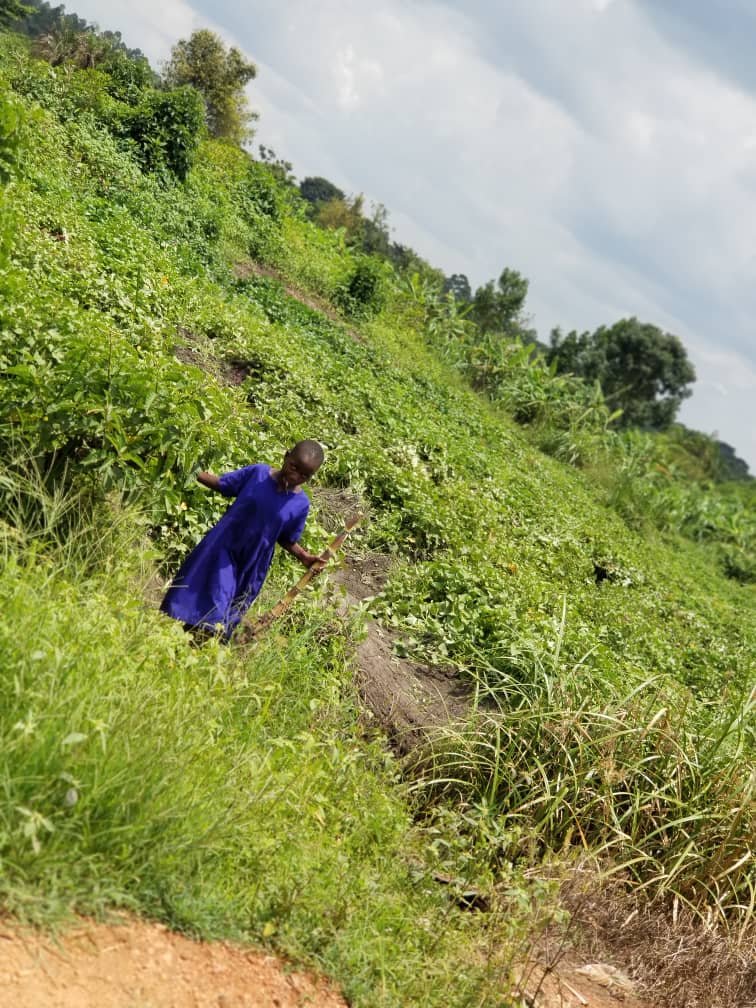
Our agricultural initiatives are designed to contribute to food security while creating opportunities for sustainable income generation.
- 25 acres planned for farming
- Irrigation development
- Friesian cows for milk production
- Piggery
- Poultry
- Coffee growing
Why agriculture matters
Food production can support institutional needs while providing a practical environment for learning, enterprise and sustainable development.
Partnerships
Change grows through collaboration
HTCCI works with churches, community organisations, volunteers, NGOs and development partners to strengthen child welfare systems, family support structures and sustainable programmes.
Be part of building stronger communities.
Whether through skills training, agriculture, volunteering, partnerships or financial support, there are many ways to contribute